The Moon’s Shadow: Solar Eclipses in 2026
Have you ever watched the sky go dark in the middle of the day? It’s like nature’s own magic trick. In 2026, the moon’s shadow played hide-and-seek with the sun twice. One eclipse just happened in February. The next comes in August. Let’s dive in. We’ll explore what these events mean. And why they grab our attention.
What Is a Solar Eclipse?
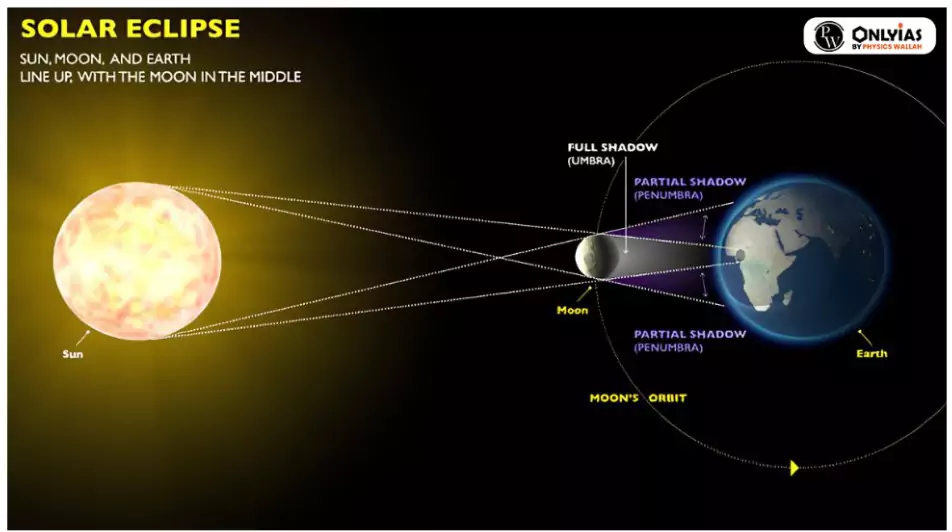
A solar eclipse happens when the moon moves between the Earth and the sun. It blocks the sun’s light. This casts a shadow on Earth. Simple, right? But the science is cool.
The moon’s shadow has two parts. The umbra is the dark center. That’s where the total block happens. The penumbra is the lighter outer part. There, you see a partial eclipse.
Eclipses don’t occur every month. The moon’s orbit tilts a bit. It lines up just right only a few times a year.
Types of Solar Eclipses
Not all eclipses are the same. Here’s a quick list:
- Total Solar Eclipse: The moon covers the sun fully. The umbra hits Earth. Day turns to night for minutes.
- Annular Solar Eclipse: The moon looks smaller. It leaves a ring of sun around it. This is the antumbra’s work.
- Partial Solar Eclipse: The moon covers only part of the sun. Seen in the penumbra.
In 2026, we got one annular and one total. Perfect mix.
The Role of the Moon’s Shadow
The shadow is the star here. Without it, no eclipse. The umbra can stretch over 100 miles wide. It races across Earth at over 1,000 mph. Imagine that speed!
Logic says the closer to the center, the longer the darkness. Facts back it up. Shadows change based on distances. Earth, moon, sun – all in a dance.
Humor alert: If the moon misses its cue, we get no show. Like a bad actor forgetting lines.
The Annular Solar Eclipse of February 17, 2026
This one just wrapped up. On February 17, the moon’s shadow swept over Antarctica. It was a “ring of fire” event.
The path was 383 miles wide. It stretched 2,661 miles long. Few people saw it live. Mostly scientists at bases.
Path of the Shadow
The shadow started in the Southern Ocean. It hit Antarctica hard. Then faded out.
Key spots:
- Concordia Station: Deep partial view.
- Mirny Station: 86% sun covered.
- McMurdo Station: Similar partial eclipse.
Partial views reached South America and Africa tips.
What to Expect During an Annular Eclipse
The sun looks like a bright ring. Temperatures drop. Animals get confused. Birds might go quiet.
Duration: Annular phase lasted 2 minutes 20 seconds. Whole event? Over 4 hours.
Fun fact: No total darkness. But the shadow makes the sky eerie.
The Total Solar Eclipse of August 12, 2026
Mark your calendar. August 12 brings the big one. A total solar eclipse. The moon’s shadow will fully block the sun.
Magnitude: 1.0386. That’s science speak for a perfect cover.
Path and Duration
The shadow path starts in Siberia, Russia. It crosses the Arctic. Then Greenland, Iceland, Atlantic Ocean, and northern Spain.
Totality max: 2 minutes 18 seconds. Greatest at 65°10.3′ N, 25°12.3′ W – off Iceland’s coast.
Timings in UTC:
- Partial start: 15:34.
- Total start: 16:58.
- Max eclipse: 17:46.
- Total end: 18:34.
- Partial end: 19:58.
The shadow moves east to west oddly. It skips the North Pole.
Best Viewing Spots
Want to chase the shadow? Here are top picks:
- Greenland: Scoresby Sund. Remote but stunning.
- Iceland: Reykjanes Peninsula. Or Snæfellsnes. First total there since 1954.
- Spain: Leon, Burgos, Valladolid. Last total in Spain was 1905.
- Portugal: Extreme northeast tip.
Partial eclipse covers Europe, North Africa, parts of North America. Over 980 million might see some.
Pro tip: Book early. Tourists will flock.
How to Safely View the Moon’s Shadow
Safety first. The sun’s rays can hurt eyes. Even in eclipse.
Checklist for safe viewing:
- Use eclipse glasses. ISO 12312-2 certified.
- Or solar filters on telescopes.
- Project the image with a pinhole.
- Watch live streams if cloudy.
Never look direct without protection. Except during full totality. Then, the shadow makes it safe for seconds.
Humor: Skip the sunglasses. They’re for style, not science.
Why 2026 Is Special for Eclipse Chasers
2026 kicks off a golden age. Three totals and three annulars by 2028. Like a eclipse buffet.
The February one was remote. August is more accessible. Europe gets a treat.
Notable: In Iceland, only 21st-century total. Spain’s path similar to 1905.
During totality, see planets. Mercury, Jupiter, Mars. Even stars. The shadow lets night peek through day.
Logic: These events remind us of our place. Small in a big universe.
Science Behind the Shadow
The moon’s shadow depends on distances. Moon at perigee? Bigger shadow. In 2026 August, it was 2.2 days after perigee. Moon looked larger.
Umbra contacts: External from 16:59 to 18:35 UTC. Internal from 17:03 to 18:31.
Penumbra wider. Covers thousands of miles.
Tips for Eclipse Photography
Capture the shadow? Yes. But plan.
Gear list:
- Camera with solar filter.
- Tripod for stability.
- Wide lens for landscape.
- Telephoto for close-ups.
Shoot the phases. Partial, Baily’s beads, diamond ring, totality.
Funny note: Don’t forget to enjoy it. Not just through a lens.
Eclipse Effects on Nature
The shadow tricks wildlife. Birds nest. Nocturnal animals wake.
Temperatures drop 10-20 degrees. Winds change.
In 2026 February, Antarctic penguins might have puzzled.
Humans feel awe. It’s logical. Rare event unites us.
Preparing for August 2026
Weather matters. Iceland cloudy? Spain sunny.
Check forecasts. Have backups.
Join groups. Share the thrill.
What if clouds? Live streams available.
Historical Context
Eclipses predicted for ages. Saros 126 for August. Repeats every 18 years.
Past ones shaped myths. Now, science.
2026 adds to history.
Final Thoughts
The moon’s shadow in 2026 gave us wonder. February’s ring over ice. August’s total over lands.
Chase it safely. Learn. Enjoy.
Nature’s show. Don’t miss act two.
References
- https://en.wikipedia.org/wiki/Solar_eclipse_of_August_12,_2026
- https://www.timeanddate.com/eclipse/solar/2026-august-12
- https://earthsky.org/astronomy-essentials/annular-solar-eclipse-february-17-2026
- https://www.space.com/stargazing/eclipses/2026-begins-a-golden-age-of-solar-eclipses-how-to-see-3-total-solar-eclipses-and-3-ring-of-fire-eclipses-in-3-years