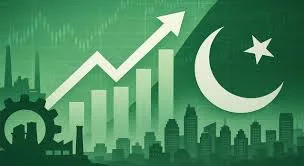
Provincial Governments in Pakistan: What to Expect in 2026
Provincial governments shape daily life in Pakistan. They handle schools, roads, hospitals, and local laws. In 2026, these governments stay busy midway through the fiscal year. Citizens see real changes from new budgets and projects.
You want clear facts, not hype. This guide explains everything simply. You learn who leads each province, where the money goes, and how you can get involved. Ready? Let’s dive in.
What Do Provincial Governments Actually Do?
Provincial governments run the four main provinces: Punjab, Sindh, Khyber Pakhtunkhwa, and Balochistan. They hold real power under the Constitution.
Here is what they focus on every day:
- They pass laws on local matters like education, health, and agriculture.
- They build and fix roads, water systems, and hospitals.
- They manage local police and courts for everyday safety.
- They run schools and colleges to educate millions of kids.
- They plan budgets and spend money on your community needs.
- They set up local governments so towns and villages get a voice.
This setup works because Pakistan is diverse. One central rule cannot fit every corner. Provincial leaders know their areas best. They act fast on local problems.
Who Leads the Provinces Right Now in 2026?
Each province picks its own Chief Minister through the provincial assembly. These leaders run the show with their cabinets. Here is the current lineup:
- Punjab: Maryam Nawaz leads since February 2024. She pushes big infrastructure and women’s programs.
- Sindh: Murad Ali Shah heads the government since February 2024. He focuses on steady growth and no new taxes.
- Khyber Pakhtunkhwa: Muhammad Sohail Afridi took charge in October 2025. He ramps up development in settled and merged districts.
- Balochistan: Mir Sarfraz Bugti serves as Chief Minister since March 2024. He targets jobs and basic services in tough terrain.
These provincial leaders work with governors and assemblies. They report to voters every five years. In 2026, you see them deliver on promises made last year.
Provincial Budgets: Where Does the Money Come From in 2026?
Money flows from federal taxes to provinces through the National Finance Commission. In 2026, provinces get bigger shares than before. This helps them fund local projects.
The federal budget for 2025-26 set the tone with a 4.2% growth target. Provinces use their part wisely. Here are the key highlights for each:
- Punjab sets a record Annual Development Programme of Rs 1,240 billion. It funds roads, skills training, and health upgrades.
- Sindh passes a Rs 3,450 billion total budget with Rs 600 billion for development. No new taxes hit citizens. Health gets Rs 51 billion, transport Rs 57 billion.
- Khyber Pakhtunkhwa hits a record Rs 547 billion in its ADP – up over 40%. Education rises 14%, health 19%. The total budget grows 19%.
- Balochistan unveils its largest-ever budget at Rs 1,028 billion. Development spending reaches Rs 249.5 billion. It creates thousands of new jobs.
Provincial budgets focus on people. You see more schools, cleaner water, and better hospitals this year.
Big Projects You Will Notice Across Provinces in 2026
Provincial governments roll out practical changes in 2026. They build on last year’s plans. Here are standout examples:
- Punjab expands irrigation and dairy projects to boost farming income.
- Sindh invests in transport and irrigation – think better roads and water for crops.
- Khyber Pakhtunkhwa pushes the Sehat Card, BRT expansions, and new universities.
- Balochistan adds solar systems, pipelines, and health clinics in remote areas.
Other nationwide efforts include:
- More jobs through contract and regular posts.
- Upgraded schools and hospitals with modern equipment.
- Roads and bridges to connect villages to cities.
- Skill programs so young people find work fast.
These provincial projects create real impact. You feel safer roads and better services by year-end.
Challenges Provincial Governments Tackle Head-On
No government has it easy. Provincial leaders face real hurdles in 2026:
- They balance big needs with limited own revenue.
- Security issues slow projects in some areas.
- Geography makes services tough in mountains or deserts.
- They fight corruption and ghost employees to stretch every rupee.
- They coordinate with the federal government for smooth fund flow.
Yet they push forward. Logic is simple: strong provinces mean a stronger Pakistan.
Practical Tips to Engage With Your Provincial Government
You do not need to wait for elections. Get involved now. Follow these easy steps:
- Visit your provincial assembly website and read budget documents.
- Attend local government meetings in your district.
- Track projects via apps or portals – many provinces offer updates.
- Contact your MPA about road repairs or school issues.
- Join citizen feedback programs for health or education.
These actions make provincial governments listen. Your voice counts.
Checklist: Track Progress in Your Province This Year
Use this quick checklist to stay informed:
- Did your local school get new books or repairs?
- Is the nearest hospital cleaner and better staffed?
- Are roads fixed and streetlights working?
- Did water supply improve in your area?
- Are job schemes reaching young people nearby?
- Check official ADP reports online each quarter.
Tick these off. You hold leaders accountable.
What Comes Next for Provincial Governments in 2026?
The second half of 2026 brings more action. Provinces finish ongoing projects and start new ones. You see better health cards, skill centers, and connected villages.
Growth targets look promising. Inflation stays in check. Provincial leaders focus on jobs and services.
One thing stays clear: provincial governments deliver what matters most to families. They fix what federal plans cannot reach.
References
- Chief Ministers of Pakistan (updated lists). Wikipedia. https://en.wikipedia.org/wiki/Chief_minister_(Pakistan)
- Sindh Budget 2025-26 details. Dawn.com. https://www.dawn.com/news/1920200
- Khyber Pakhtunkhwa ADP 2025-26. Finance Department KP. https://www.finance.gkp.pk
- Balochistan Budget 2025-26 analysis. Official announcements and Arab News coverage.
- Punjab ADP Highlights 2025-26. Planning & Development Board Punjab.
- Federal Budget 2025-26 Brief. Finance Division Pakistan. https://www.finance.gov.pk
These trusted sources keep everything real and up to date. You can verify any fact yourself.


, so check it out if you enjoy this kind of content. --- ## Samara Redway Net Worth As of 2025, Samara Redway's estimated net worth is around **$1.5 million**. This comes from: - **YouTube ad revenue** across her multiple channels - **Brand sponsorships and partnerships** - **Instagram promotions** - **Merchandise and collaborations** Her channels have collectively received hundreds of millions of views over the years. With that kind of reach, the income from ads alone can be substantial. She is also known to promote products on Instagram, which adds another income stream. She's worked with various companies in the gaming, beauty, and lifestyle spaces. --- ## Why Did Samara Quit Livestreaming? On **November 17, 2022**, Samara posted a video announcing she was quitting live streaming. She didn't fully walk away from content creation, but the regular game streams stopped. She didn't give one single reason. But fans speculate it was a combination of burnout, wanting to focus on different content, and personal life changes. She continued posting vlogs and other videos after stepping back from streams. This decision surprised many fans because gaming livestreams were such a big part of her brand. But content creators evolve, and Samara has always been someone who does things on her own terms. --- ## Samara Redway's Acting Work Aside from YouTube, Samara has a small acting credit to her name. She appeared in the animated film **Go Fish (2019)**, where she voiced a character named Honey (Christine's Mom). She also appeared in: - *Stream for Starlight (S4S)* (2019) — a charity event - *Fortnite Celebrity Pro-AM* (2018) — as herself These credits are listed on IMDb and show that she has dipped her toes outside of YouTube content. --- ## Key Takeaways Here are the most important things to remember: - **Samara Redway age** is **30 years old** (born March 10, 1995) - She is from **Vancouver, British Columbia, Canada** - She started YouTube in 2013 but didn't post until 2016 - She runs multiple YouTube channels with millions of subscribers combined - She is engaged to **Typical Gamer** (André Rebelo) since May 2024 - Her estimated net worth is around **$1.5 million** - She quit live streaming in late 2022 but still creates content - She has appeared in the animated film *Go Fish* (2019) --- ## Frequently Asked Questions (FAQ) ### How old is Samara Redway? Samara Redway age is 30 years old. She was born on March 10, 1995. ### Where is Samara Redway from? She was born and raised in Vancouver, British Columbia, Canada. ### Is Samara Redway married? No, she is not married yet. She got engaged to Typical Gamer (André Rebelo) in May 2024. ### What is Samara Redway's net worth? Her estimated net worth is around $1.5 million as of 2025. ### Why did Samara Redway stop livestreaming? She announced in November 2022 that she quit live streaming. She has continued posting other types of content since then. ### What games does Samara Redway play? She has streamed games like Fortnite, Minecraft, GTA 5, Rust, Phasmophobia, The Walking Dead, Resident Evil, and more. ### How many YouTube subscribers does Samara Redway have? She has over 1.6 million on her Samara Games channel and over 1.2 million on her Samara Redway vlogging channel. ### What is Samara Redway's zodiac sign? Her zodiac sign is Pisces. --- ## Conclusion Samara Redway is a genuinely interesting person. She went from being a shy, socially isolated kid in Vancouver to building a multi-million subscriber presence on YouTube. She's been open about her personal struggles, her complicated family history, and the journey it took to get where she is now. **Samara Redway age** may be just a number, but when you look at everything she has accomplished by 30 — the subscribers, the engagement, the acting credits, the relationship with a top gaming YouTuber, and the authentic brand she's built — it's pretty impressive. Whether you came here just to find out how old she is or to learn her full story, hopefully this article gave you everything you were looking for. If you enjoy following creators like Samara, keep an eye on [our blog](https://geekbot.co.uk/) for more profiles, news, and updates in the digital creator space.](https://geekbot.co.uk/wp-content/uploads/2026/04/d8d13bddd39356b0c12b0d6fda116ddf.jpg)