Pravi Celer: The Complete Guide to True Celery and Why It Belongs in Your Kitchen
🌿 Key Takeaways
- Pravi celer is true celery, widely used in cooking and herbal medicine.
- It is low in calories and high in water, vitamins, and antioxidants.
- It supports digestion, heart health, and inflammation reduction.
- You can eat the stalks, leaves, seeds, and even the root.
- Pravi celer grows well in cooler weather and does not need a lot of space.
- It pairs well with soups, salads, juices, and stir-fries.
- Storage is easy — just wrap it and keep it in the fridge.
What Is Pravi Celer?
Pravi celer is the term used in several Slavic and Balkan languages to describe Apium graveolens, the botanical name for true celery. The word “pravi” roughly translates to “true” or “real,” which helps distinguish this plant from other celery-like vegetables such as celeriac (the root version) or wild celery. It belongs to the Apiaceae family, the same family as parsley, carrots, and fennel.
True celery has been around for thousands of years. Ancient Egyptians used it for medicinal purposes. The Romans loved it as a flavoring herb. Over time, farmers bred it into the thick, crunchy vegetable we recognize today. When people talk about pravi celer in a modern context, they usually mean the green-stalked variety you find at any grocery store or market.
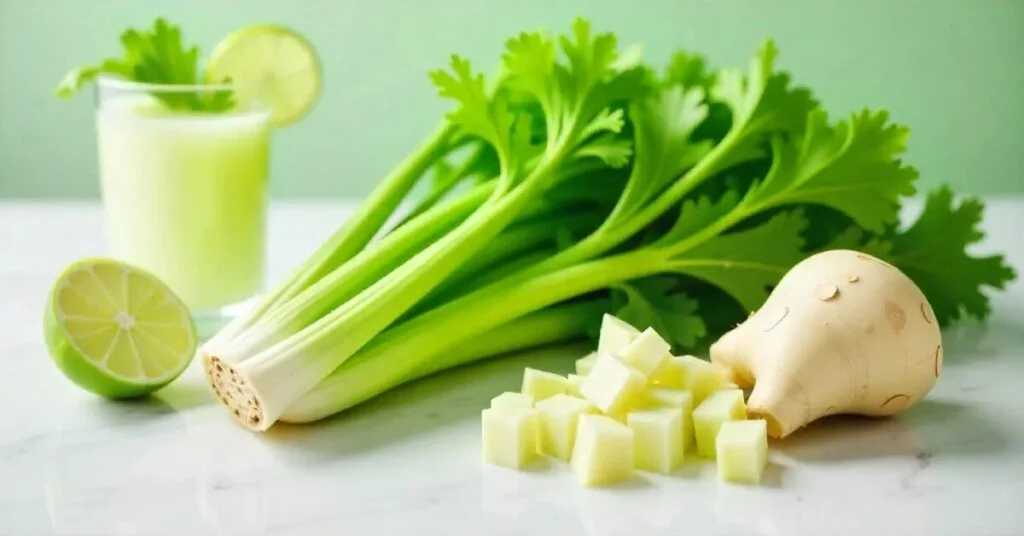
What makes pravi celer unique is that practically every part of it is edible and useful. The stalks add crunch to salads. The leaves work like an herb in cooking. The seeds are used as spice. And the root, when cultivated specifically for this purpose, becomes celeriac. Most of this article focuses on the common stalk variety — the kind most families use every week.
The Nutritional Profile of Pravi Celer
One of the biggest reasons pravi celer has gained popularity in wellness circles is its impressive nutritional profile. It is almost 95% water, which makes it super hydrating. But don’t let that fool you — even with that high water content, it still delivers a good range of vitamins and minerals in every bite.
Vitamins and Minerals Found in Pravi Celer
Pravi celer is a solid source of vitamin K, which plays a key role in blood clotting and bone health. It also contains vitamin C, potassium, folate, and a decent amount of vitamin A. These nutrients support everything from immune function to skin health and eye protection.
The potassium in pravi celer helps balance fluid levels in the body and supports healthy blood pressure. Folate is especially important during pregnancy because it helps with proper fetal development. Meanwhile, the antioxidants — including flavonoids and polyphenols — help fight cellular damage from free radicals.
| Nutrient | Amount per 100g | Health Benefit |
|---|---|---|
| Calories | 16 kcal | Great for weight management |
| Water | ~95% | Keeps you hydrated |
| Vitamin K | 29.3 mcg | Bone health & blood clotting |
| Vitamin C | 3.1 mg | Immune support |
| Potassium | 260 mg | Heart & blood pressure |
| Folate | 36 mcg | Cell growth & pregnancy |
| Fiber | 1.6 g | Gut health |
Calorie Count and Weight Management
Pravi celer has one of the lowest calorie counts of any vegetable — roughly 16 calories per 100 grams. That’s why it shows up so often in diet plans and clean-eating guides. You can eat a lot of it without consuming significant calories. Some people even call it a “negative calorie food,” though that’s a bit of an exaggeration. The real truth is that it takes some energy to digest, and the fiber content helps you feel fuller for longer.
For anyone watching their weight, adding pravi celer to daily meals is a smart and simple move. It bulks up your plate without bulking up your calorie count. It also satisfies the urge to crunch something, which is a real psychological benefit when you are trying to cut back on snacks.
Top Health Benefits of Pravi Celer
Beyond just nutrition numbers, pravi celer has been studied for a range of real health benefits. Let’s look at the most important ones backed by science and traditional use.
1. Supports Digestive Health
The fiber in pravi celer supports a healthy digestive system. Fiber helps keep things moving in your gut and feeds the good bacteria in your colon. Regular fiber intake is linked to a lower risk of constipation, bloating, and even colorectal cancer over time. The water content also helps soften stool and reduce digestive discomfort.
Some traditional herbalists have recommended pravi celer for centuries as a mild digestive aid. It can soothe the stomach lining, especially when consumed as a juice or light broth. If you ever feel bloated after a heavy meal, a stalk or two of celery can actually help calm things down.
2. Helps Lower Blood Pressure
Pravi celer contains a compound called phthalide, which has been shown to relax the muscles around blood vessels. This relaxation allows the vessels to dilate, which means blood can flow more freely. As a result, blood pressure can drop slightly. While it is not a replacement for medication, adding pravi celer to a heart-healthy diet is a good idea for anyone managing hypertension.
3. Anti-Inflammatory Properties
Chronic inflammation is linked to diseases like heart disease, diabetes, and even some cancers. Pravi celer contains antioxidants and polyphenols that help reduce inflammation in the body. Luteolin, one of the flavonoids found in celery, is especially well-studied for its anti-inflammatory effects. Regular consumption of pravi celer as part of a balanced diet may help reduce these risks over time.
4. May Improve Liver Function
Some animal studies have found that celery extract can help reduce fat buildup in the liver. While human studies are still limited, the early findings are promising. The antioxidants in pravi celer seem to help protect liver cells from damage. If you are trying to support liver health through diet, pravi celer is definitely worth including.
5. Good for Skin and Hydration
Because pravi celer is so high in water content, eating it regularly helps keep your skin hydrated from the inside. It also provides vitamin C, which is essential for collagen production — the protein that keeps skin firm and elastic. Some people even apply celery juice topically for its soothing properties, though eating it gives you more overall benefit.
Different Parts of Pravi Celer and How to Use Them
One thing that surprises many people is just how versatile pravi celer really is. Most folks only use the stalks, but you are leaving so much on the table if you toss everything else.
The Stalks
This is the most commonly used part. The stalks of pravi celer are crunchy, mildly salty, and refreshing. You can eat them raw as a snack, chop them into soups and stews, add them to stir-fries, or slice them thin for salads. They hold up well to cooking and retain a bit of texture even after being simmered. If you are making a base for a soup or sauce, pravi celer stalks are often part of the holy trinity along with onion and carrot.
The Leaves
The leaves of pravi celer are often overlooked, but they are actually more flavorful than the stalks. They taste stronger and more herbal, kind of like a cross between parsley and celery. Use them the same way you would use fresh herbs — chop them into salads, sprinkle them over soups, mix them into sauces, or blend them into a green smoothie. They are also great in chimichurri-style sauces.
The Seeds
Celery seeds are small but powerful. They have a concentrated, slightly bitter celery flavor and are used as a spice in cooking. You will find them in pickles, coleslaws, and salad dressings. Celery seed is also available as a supplement, often marketed for blood pressure and arthritis support. However, it is quite strong, so a little goes a long way in recipes.
The Root (Celeriac)
When pravi celer is bred specifically for its root, the result is celeriac. This bumpy, knobby root vegetable has a milder, nuttier flavor than the stalks. It can be mashed like potatoes, roasted, grated raw into salads, or made into a silky soup. In many European kitchens, celeriac is a winter staple that deserves far more attention than it gets in American cooking.
How to Pick and Store Pravi Celer
Getting the most out of pravi celer starts at the store or market. Knowing how to pick a fresh bunch and store it correctly means less waste and better flavor every time you cook.
Picking the Best Bunch
When choosing pravi celer, look for stalks that are firm and upright, not floppy or wilted. The color should be a bright, pale to medium green — avoid anything yellowing at the base. The leaves should look fresh and vibrant, not dried out or slimy. Give it a gentle bend — it should snap back slightly rather than bend like a wet noodle. Smell it if you can. Fresh pravi celer has a clean, vegetal scent. If it smells off or musty, skip it.
Signs of Fresh Pravi Celer
- Firm, crisp stalks that hold their shape
- Bright green color without yellowing
- Leaves that look fresh and green, not dried out
- Clean, mild celery scent
- No browning or sliminess at the base
Proper Storage Tips
Pravi celer stays freshest when it is kept cold and moist. The best method is to wrap the whole bunch loosely in aluminum foil and store it in the crisper drawer of your fridge. This keeps it from drying out without letting moisture collect and cause rot. Stored this way, it can last up to two weeks.
💡 Tip: If your celery has gone limp, cut the base off and stand it in a glass of cold water in the fridge for a few hours. It will often crisp right back up.
If you need to store pravi celer for longer, you can chop and freeze it. Blanch the pieces briefly in boiling water, then freeze flat on a tray before transferring to a bag. Frozen celery works great in soups and cooked dishes but will not be crunchy when thawed, so it is not great for raw uses.
Cooking with Pravi Celer: Delicious Ways to Use It
Pravi celer works in more recipes than most people realize. Here are some of the best ways to use it every day.
In Soups and Stews
This is where pravi celer truly shines. It is one of the classic aromatics in Western cooking, along with onion and carrot. When you saute these three together at the start of a soup or braise, you build a rich base of flavor that runs through the whole dish. Pravi celer adds a slightly savory, earthy note that is hard to replace. It works in chicken noodle soup, beef stew, lentil soup, and minestrone equally well.
In Salads and Raw Dishes
Raw pravi celer adds a satisfying crunch to salads. Thinly sliced, it mixes well with apple, walnut, and a light dressing for a classic Waldorf-style salad. It also works in grain bowls, pasta salads, and alongside dips like hummus or peanut butter. The key is slicing it thin enough so the texture is pleasant rather than overwhelming.
As a Juice or Smoothie Ingredient
Celery juice has had its moment in the wellness world, and for good reason. It is light, hydrating, and slightly savory in a way that works surprisingly well in green smoothies. Blend pravi celer with apple, ginger, lemon, and cucumber for a refreshing morning drink. You do not need to go all-in on a pure celery juice cleanse — just adding a stalk or two to your regular smoothie gives you the nutritional benefits without the intensity.
Braised or Roasted
Not many people think to cook celery as a main vegetable, but braised pravi celer is actually delicious. Slow-cooked in broth with a bit of butter and fresh herbs, it becomes silky and deeply savory. Roasted in the oven with olive oil and garlic, it caramelizes slightly and develops a richness that raw celery never hints at. If you have only ever used pravi celer as a background ingredient, try making it the star sometime.
Pravi Celer in Traditional and Folk Medicine
Long before modern nutrition science came along, people around the world were using pravi celer for its healing properties. In ancient Greece, it was considered a symbol of victory and also used to treat anxiety and sleep problems. Ayurvedic medicine in India has used celery seeds to treat rheumatism, inflammation, and water retention for centuries.
In Slavic and Balkan folk traditions, pravi celer has been used as a tonic vegetable — something eaten regularly to maintain overall health rather than treat a specific illness. Grandmothers would add it to every pot of broth, believing it supported the joints, kidneys, and digestion. Modern research has started to confirm many of these traditional beliefs, especially around its anti-inflammatory and diuretic properties.
According to our blog, traditional herbal knowledge often turns out to have more scientific backing than people expect. Pravi celer is a great example of a food that has been valued for millennia and is now earning scientific credibility as well.
How to Grow Pravi Celer at Home
Growing your own pravi celer is very possible, even if you do not have a large garden. It does require some patience, but the result is incredibly rewarding.
Growing Conditions
Pravi celer prefers cool, moist conditions. It grows best in temperatures between 60 and 70°F (15–21°C). It does not like intense heat, which can cause it to bolt (go to seed too quickly) and become bitter. Plant it in spring or early fall for best results. It needs rich, well-draining soil and consistent moisture — dry periods can make the stalks stringy and bitter. A garden bed or large container both work well.
Basic Growing Requirements
- Full sun to partial shade
- Rich, consistently moist soil
- Cool temperatures preferred
- About 3–4 months from seed to harvest
- Regular watering — does not handle drought well
Starting from Seed vs. Transplants
Pravi celer can be tricky to start from seed because the seeds are tiny and slow to germinate. Most home gardeners do better buying transplants from a nursery and planting those out directly. If you want to start from seed, begin indoors about 10–12 weeks before your last frost date. Keep the soil warm (around 70°F) and be patient — germination can take 2–3 weeks.
The Regrowth Trick
Here is a fun and practical tip. If you buy a bunch of pravi celer from the store, you do not have to throw away the base. Cut the base off, place it cut-side up in a shallow dish with about an inch of water, and set it on a sunny windowsill. Within a week, new green shoots will start growing from the center. Once they are a couple of inches tall, you can transplant the whole thing into a pot of soil and keep growing it. It is not as productive as a full plant, but it is a great way to cut down on waste and get a little extra from what you already bought.
Pravi Celer vs. Other Celery Varieties
There are actually several types of celery, and it helps to know the differences so you can use the right one in your cooking.
| Type | Common Name | Best Uses | Flavor Profile |
|---|---|---|---|
| Pravi celer | True / stalk celery | Soups, snacking, salads, cooking | Mild, fresh, slightly salty |
| Celeriac | Celery root | Mashing, roasting, soups | Nutty, milder than stalks |
| Smallage | Wild celery | Herb use, seasoning | Stronger, more bitter |
| Chinese celery | Asian celery | Stir-fries, Asian dishes | Very strong, leafy |
Pravi celer (stalk celery) is by far the most widely available and versatile of the bunch. Its mild flavor makes it easy to pair with almost anything, which is why it shows up in so many different cuisines around the world.
Common Mistakes People Make with Pravi Celer
Even a simple vegetable like pravi celer can be used wrong. Here are a few common mistakes and how to avoid them.
Throwing Away the Leaves
This is the biggest waste. The leaves of pravi celer are absolutely edible and incredibly flavorful. Many people toss them without thinking, but they are more intensely flavored than the stalks and work wonderfully as a fresh herb. Next time you trim your celery, chop those leaves and add them to whatever you’re cooking.
Storing It Incorrectly
Storing pravi celer in a plastic bag is a common mistake. Plastic traps moisture and can actually speed up decay. The foil-wrap method mentioned earlier is far better. Keeping it near ethylene-producing fruits like apples and bananas can also make it wilt faster.
Overcooking It
Pravi celer added too early to a long-cooking dish can turn mushy and lose its texture entirely. If you want it to retain some bite, add it closer to the end of cooking. For soups where it is part of the base, that is fine — but for dishes where texture matters, timing is everything.
Not Salting Raw Celery Before Eating
Raw pravi celer can taste a little flat on its own. A small pinch of salt or a bit of flaky sea salt completely transforms it. The salt draws out moisture and amplifies the natural flavor. Try it and you will never go back to eating plain celery again.
Pravi Celer for Special Diets
One of the great things about pravi celer is that it fits into nearly every dietary plan you can think of. Whether you are vegan, keto, gluten-free, or following an anti-inflammatory protocol, pravi celer checks the box.
- Vegan and vegetarian: Naturally plant-based and nutrient-dense.
- Keto and low-carb: Very low in net carbs, great for snacking.
- Gluten-free: Completely free of gluten, safe for celiac sufferers.
- Anti-inflammatory diet: Rich in antioxidants and anti-inflammatory compounds.
- DASH diet (for blood pressure): High potassium, low sodium — a perfect fit.
- Whole30 and Paleo: A clean, whole food that fits both protocols.
There is one note of caution though. Some people have celery allergies, which can range from mild oral itching to more serious reactions. Celery is actually among the top allergens in Europe, and the allergy can sometimes be severe. If you have never eaten pravi celer and have known food allergies, start with a small amount and see how your body reacts.
Easy Pravi Celer Recipes to Try This Week
You do not need to be a chef to cook well with pravi celer. Here are a few super simple ideas to get you started right away.
5-Minute Celery and Peanut Butter Snack
Cut pravi celer into 4-inch sticks. Spread natural peanut butter into the hollow of each stalk. Top with raisins if you like. This is a classic snack called “ants on a log” that works for kids and adults alike. It is quick, filling, and genuinely tasty.
Simple Celery Soup
Chop a whole head of pravi celer, an onion, and two cloves of garlic. Saute in olive oil until soft. Add vegetable broth and simmer for 20 minutes. Blend until smooth. Season with salt, pepper, and a squeeze of lemon. Finish with a swirl of cream if you like. It is surprisingly elegant for how easy it is.
Celery, Apple, and Walnut Salad
Thinly slice pravi celer and tart apple. Toss with toasted walnuts, a bit of blue cheese or feta, and a light dressing of lemon juice, olive oil, honey, and Dijon mustard. This comes together in 10 minutes and tastes far more impressive than the effort involved.
Conclusion
Pravi celer is one of those vegetables that does not get nearly enough credit. It is cheap, widely available, incredibly nutritious, and deeply versatile. From its role as a cooking base in soups and stews, to its surprising benefits for blood pressure and inflammation, to its use in folk medicine across multiple cultures — there is a lot going on in those humble green stalks.
Whether you start by adding pravi celer to your weekly grocery list, blending it into a morning smoothie, or trying to regrow it from the base on your kitchen windowsill — there is no wrong entry point. Start small, experiment a little, and you will quickly find your own favorite ways to use it.
If you want more practical food and health content, check out our blog for guides, tips, and ideas that are easy to put into practice. Good food does not have to be complicated.
Frequently Asked Questions About Pravi Celer
What does “pravi celer” mean in English?
“Pravi celer” translates to “true celery” in English. It refers to common stalk celery (Apium graveolens), the green vegetable you find in most grocery stores.
Is pravi celer the same as celeriac?
No. Celeriac is a related plant bred specifically for its large root. Pravi celer refers to the stalk variety. They come from the same species but are cultivated differently and taste somewhat different too.
Can I eat pravi celer every day?
Yes, for most people eating pravi celer daily is perfectly fine and quite healthy. It is low in calories and high in nutrients. The only exception is people on blood thinners, since its vitamin K content can interact with medications like warfarin. Talk to your doctor if you are in that situation.
Does cooking pravi celer destroy its nutrients?
Some vitamins like vitamin C are reduced by heat. But many of the beneficial compounds in pravi celer, including fiber and minerals, survive cooking just fine. For maximum nutrition, eat some raw and some cooked throughout the week.
Is celery juice actually good for you?
Celery juice made from pravi celer is hydrating and provides a range of vitamins and antioxidants. Some of the more dramatic health claims around it are exaggerated, but as part of a balanced diet, drinking it can certainly be beneficial. Just do not expect miracle results from juice alone.
How long does pravi celer last in the fridge?
Properly stored (wrapped in foil in the crisper drawer), a bunch of pravi celer can last up to two weeks. Cut celery lasts about 5–7 days when stored in an airtight container with a little water.
Can you freeze pravi celer?
Yes, but it loses its crunch after thawing. Frozen pravi celer works great in soups, stews, and cooked dishes. Blanch the pieces first for best results and they will keep well for up to 3 months in the freezer.