Ginger: The Powerful Root That Can Change Your Health
🔑 Key Takeaways
- Ginger is a flowering plant root used as food and medicine for over 5,000 years.
- It contains gingerol, a powerful compound with anti-inflammatory and antioxidant effects.
- Regular use of ginger may help with nausea, digestion, pain, blood sugar, and heart health.
- You can use ginger fresh, dried, powdered, as oil, or as juice — all forms are beneficial.
- Most adults can safely consume 1–3 grams of ginger per day.
- Always talk to a doctor if you are pregnant or taking blood-thinning medications.
If you have ever sipped ginger tea on a cold morning, you already know that warm, spicy feeling it gives. But ginger is so much more than just a flavoring for your tea or stir-fry. It is one of the most studied, most used, and most respected natural remedies in the world. People have been using it for thousands of years, and modern science is now proving why it actually works.
In this article, we are going to cover everything you need to know about ginger — where it comes from, what it does for your body, how to use it, and even some warnings about when to be careful. Whether you are new to ginger or already a fan, there is something here for you. So let’s dig in!
What Is Ginger?
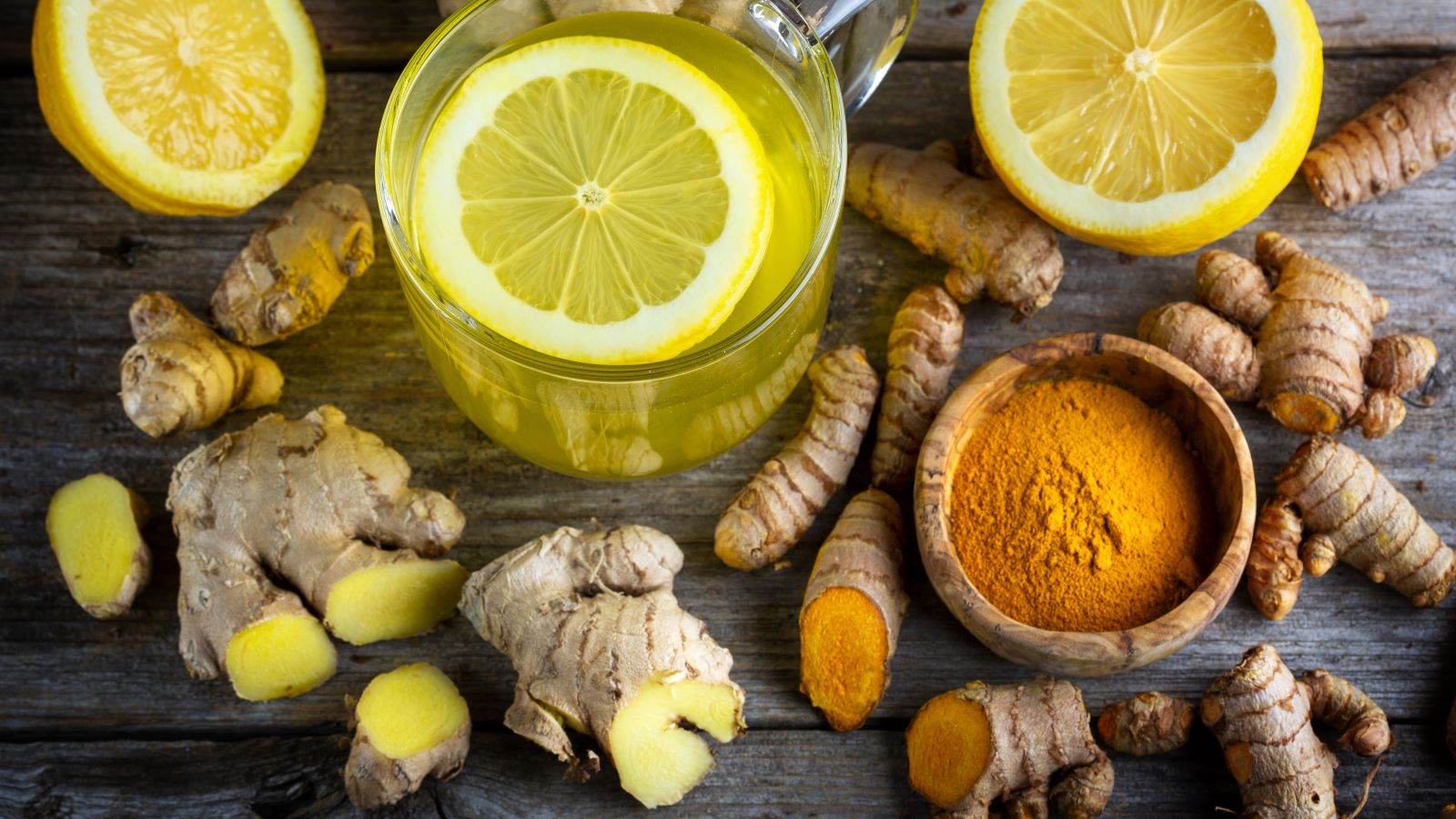
Ginger — scientifically called Zingiber officinale — is a flowering plant that belongs to the same family as turmeric and cardamom. The part we eat and use is called the rhizome, which is basically the underground stem of the plant. Most people just call it the root, and that is totally fine.
It originally comes from Southeast Asia, but today it is grown all over the world — from India and China to Jamaica and Nigeria. India is actually the largest producer of ginger in the world. The plant itself grows up to about three feet tall and has yellow-green flowers. But the real treasure is what is underground.
Ginger has a sharp, spicy, slightly sweet flavor that is totally unique. That strong taste comes from natural compounds in the root, especially one called gingerol. When ginger is dried, gingerol turns into a compound called shogaol, which is actually even more potent. That is why dried ginger can sometimes feel stronger than fresh.
A Quick History of Ginger
Ginger has been used for over 5,000 years. Ancient Chinese and Indian healers used it as medicine long before modern pharmaceuticals even existed. It was so valuable in medieval Europe that one pound of ginger could buy an entire sheep. It was also one of the first spices traded between Asia and Europe along the famous Silk Road. Today, you can buy it at any grocery store for just a couple dollars — but its value has not changed at all.
Ginger Nutrition Facts
Ginger is low in calories but packed with useful compounds. A typical serving of fresh ginger — about one teaspoon — does not give you a huge dose of vitamins, but it delivers a powerful punch of bioactive compounds that are hard to find anywhere else.
| Nutrient | Per 1 tsp fresh ginger (~5g) | What It Does |
|---|---|---|
| Calories | 4 kcal | Very low — good for all diets |
| Carbohydrates | 0.9 g | Small, mostly fiber |
| Fiber | 0.1 g | Supports digestion |
| Gingerol | Trace amount | Anti-inflammatory, antioxidant |
| Magnesium | Small amount | Nerve and muscle function |
| Potassium | Small amount | Heart health, blood pressure |
| Vitamin B6 | Trace | Brain function, immunity |
| Manganese | Trace | Bone health, metabolism |
The real nutritional power of ginger is not in its vitamins. It is in its phytochemicals — natural plant compounds like gingerol, shogaol, paradol, and zingerone. These are what give ginger its unique healing abilities. Even a small amount can have a meaningful effect on your body.
Top Health Benefits of Ginger
This is where things get really interesting. The health benefits of ginger have been studied in hundreds of scientific trials. Here are the most well-supported ones, explained in plain language.
1. Helps With Nausea and Vomiting
This is probably ginger’s most famous benefit. It is extremely effective at reducing nausea. Studies show it works well for morning sickness during pregnancy, nausea from chemotherapy, and motion sickness during travel. Researchers think ginger works by acting on the digestive system and the brain’s nausea centers at the same time. It is a safe and natural option for many people who want to avoid medication.
If you are pregnant and dealing with morning sickness, ginger is often recommended by doctors as a first-line remedy. Just stick to safe amounts — generally under 1 gram per day during pregnancy — and always check with your doctor first.
2. Reduces Inflammation
Chronic inflammation is at the root of many serious diseases — heart disease, diabetes, cancer, and arthritis, to name a few. Gingerol and other compounds in ginger have been shown to block inflammatory pathways in the body in a way that is similar to some over-the-counter pain medications, but without the side effects.
People with osteoarthritis — a painful joint condition — who took ginger supplements reported less pain and needed fewer pain medications. That is a big deal for millions of Americans dealing with joint pain every day.
3. Supports Better Digestion
Ginger has been used as a digestive aid for centuries — and science backs this up. It helps food move faster through the stomach (a process called gastric emptying), which can reduce bloating, gas, and that heavy feeling after eating. It also helps relax the muscles in the gut, which can ease stomach cramps and indigestion.
If you often feel bloated after meals or have a sluggish digestion, adding fresh ginger to your meals or drinking ginger tea after eating could make a noticeable difference. Many holistic health sites, including our blog, have covered how simple dietary changes like adding ginger can support gut health naturally.
4. May Lower Blood Sugar
Some early research suggests that ginger may help improve insulin sensitivity and lower blood sugar levels, particularly in people with type 2 diabetes. In one study, people with type 2 diabetes who took 2 grams of ginger powder daily saw meaningful improvements in their fasting blood sugar. This does not mean ginger replaces diabetes medication, but it can be a helpful addition to a healthy lifestyle.
5. Good for Heart Health
Ginger may support your heart in several ways. It has been linked to lower cholesterol levels, reduced blood pressure, and prevention of blood clots. These are all major risk factors for heart disease. One study found that people who ate more ginger had a significantly lower risk of high blood pressure and coronary artery disease. Again, ginger is not a replacement for heart medication, but it can be part of a heart-healthy diet.
6. Has Anti-Cancer Potential
This one is still being researched, but some lab studies show that gingerol and shogaol may help slow the growth of cancer cells, particularly in cancers of the colon, stomach, ovaries, and breast. These are mostly early-stage studies done in labs and animals — not in humans yet. But the results are promising enough that researchers are continuing to investigate.
7. Helps With Menstrual Pain
Women who experience painful periods may find ginger to be a surprisingly effective remedy. In a clinical trial, ginger was found to be just as effective as ibuprofen for reducing menstrual pain. Participants took 250 mg of ginger capsules four times a day during the first three days of their period. The results were impressive and offer a natural alternative to over-the-counter painkillers.
Different Forms of Ginger and How to Use Them
One great thing about ginger is that it comes in many forms. You do not have to eat it raw if the taste is too strong for you. Here is a breakdown of the most common forms and how to use each one.
Fresh Ginger Root
Fresh ginger is the most potent form. You can find it in the produce section of most grocery stores. Peel it with a spoon (the skin is thin), then slice, grate, or chop it. Use it in stir-fries, soups, smoothies, salad dressings, and marinades. Fresh ginger gives the most vibrant flavor and the highest level of gingerol.
Dried and Ground Ginger
Powdered ginger is made from dried, ground ginger root. It is great for baking — think gingerbread cookies, spice cakes, and muffins. It is also convenient to add to oatmeal, smoothies, and curries. The flavor is more intense and slightly different from fresh ginger, but many of the health benefits are still there.
Ginger Tea
Ginger tea is one of the most popular ways to enjoy ginger. You can make it from scratch by simmering fresh slices in hot water for 10 minutes, or use a store-bought tea bag. Add a little honey and lemon for extra flavor. It is excellent for soothing an upset stomach, warming up on a cold day, or just relaxing in the evening.
Ginger Supplements and Capsules
If you do not like the taste of ginger but want its benefits, ginger capsules are a great option. You can find them at most pharmacies and health food stores. They usually contain dried ginger powder or standardized ginger extract. Always follow the dosage instructions on the label.
Ginger Oil and Extract
Ginger essential oil is used in aromatherapy and topically for muscle pain. Ginger extract is a concentrated liquid form that can be added to foods or taken directly. These are more specialized and usually found in health stores or online.
| Form | Best For | How to Use |
|---|---|---|
| Fresh root | Cooking, smoothies | Grate, slice, or chop |
| Dried powder | Baking, spice blends | Add to recipes directly |
| Ginger tea | Nausea, relaxation | Steep in hot water |
| Capsules | Supplements, dosing | Take with water daily |
| Essential oil | Aromatherapy, topical | Diffuse or massage (diluted) |
| Juice | Shots, drinks | Add to juices or smoothies |
Cooking With Ginger: Ideas and Tips
Ginger is incredibly versatile in the kitchen. It works in both sweet and savory dishes, and it pairs well with garlic, lemon, honey, turmeric, and coconut. Here are some easy ways to get more ginger into your daily diet.
Savory Dishes
- Add grated ginger to stir-fries with vegetables and tofu or chicken
- Mix it into marinades for meat, fish, or tofu
- Stir into soups, broths, or curry sauces
- Blend into hummus or salad dressings for a spicy kick
- Use in fried rice or noodle dishes
Sweet Dishes and Drinks
- Add ground ginger to gingerbread, muffins, or granola
- Blend fresh ginger into smoothies with banana and mango
- Make a ginger lemonade by mixing ginger juice, lemon, and honey
- Brew homemade ginger beer or kombucha
- Try candied ginger as a snack or dessert topping
💡 Pro tip: Store fresh ginger in the freezer. It lasts for months and is actually easier to grate when frozen. No peeling needed — just grate straight from the freezer!
Ginger for Specific Health Conditions
We have covered the general benefits, but let’s look more closely at how ginger may help with some specific health situations that affect a lot of Americans.
Ginger for Weight Loss
Can ginger help you lose weight? The short answer is: a little, yes. Ginger has been shown to slightly boost metabolism and reduce feelings of hunger. A 2019 review of studies found that ginger supplementation had a positive effect on body weight and waist size. It is not a miracle solution — you still need a healthy diet and exercise — but it can be a helpful part of a weight management plan.
Ginger for Immune Support
Ginger has natural antimicrobial and antiviral properties. Some studies suggest it can help inhibit the growth of certain bacteria and viruses. During cold and flu season, many people swear by ginger tea as a way to fight off illness or recover faster. While the evidence is not ironclad, ginger tea with honey and lemon is a time-tested remedy that is safe, soothing, and actually pretty enjoyable.
Ginger for Brain Health
Inflammation and oxidative stress are linked to cognitive decline and Alzheimer’s disease. Because ginger is such a powerful anti-inflammatory and antioxidant, researchers think it may help protect the brain. Some animal studies and small human trials suggest ginger can improve memory and reaction time, especially in middle-aged women. More research is needed, but it is yet another reason to add ginger to your diet.
Ginger and Stress
Some research suggests ginger may help manage cortisol levels — the main stress hormone in the body. Lower cortisol means less chronic stress, better sleep, and improved mood. While this research is still early, it adds to the growing case for ginger as an all-around wellness tool.
Side Effects and Precautions
Ginger is generally very safe for most people. But like anything, too much can cause problems. Here is what to watch out for.
Common Side Effects
- Heartburn — especially if you take large amounts on an empty stomach
- Mouth or throat irritation — fresh ginger can feel very spicy
- Upset stomach or diarrhea — usually from too much ginger at once
- Gas and bloating — some people are sensitive to it
Who Should Be Careful?
- Pregnant women: Generally safe in food amounts, but high-dose supplements should be discussed with a doctor
- People on blood thinners (like warfarin): Ginger can increase bleeding risk — check with your doctor
- People with gallstones: Ginger promotes bile production, which can be a problem
- People scheduled for surgery: Stop taking ginger supplements at least two weeks before surgery
- Diabetics on medication: Ginger can lower blood sugar — monitor your levels carefully
⚠️ Important: The recommended safe dose for most adults is 1 to 3 grams of ginger per day. If you are taking supplements, always stick to the label dosage unless your doctor advises otherwise.
The Science Behind Ginger’s Power
So why exactly does ginger work so well? Let’s take a quick look at the main active compounds and what they actually do in your body.
Gingerol
Gingerol is the most important compound in fresh ginger. It is a phenolic compound with very strong antioxidant and anti-inflammatory properties. It can neutralize free radicals — unstable molecules that damage your cells — and it blocks certain enzymes that trigger inflammation. This is why ginger has such wide-ranging health effects. Gingerol also stimulates the digestive system, which explains ginger’s ability to ease nausea and improve digestion.
Shogaol
Shogaol forms when ginger is dried or cooked. It is about twice as potent as gingerol in some studies, particularly for anti-cancer and anti-inflammatory effects. This is one reason dried and powdered ginger can be just as beneficial — or even more so — than fresh ginger in some situations.
Zingerone and Paradol
Zingerone gives cooked ginger its warm, slightly sweet flavor and also has antioxidant effects. Paradol is another compound found in ginger that has shown promise as a cancer-fighting agent in early research. Together, these compounds make ginger a true nutritional powerhouse.
How to Buy, Store, and Prepare Ginger
Getting the most out of ginger starts with choosing and storing it correctly. Here is a simple guide to help you do just that.
Buying Fresh Ginger
- Look for roots that are firm and smooth, not wrinkled or soft
- The skin should look tight, with a slight sheen
- Smaller, younger ginger tends to be less fibrous and milder in flavor
- Avoid pieces with mold, dark spots, or a musty smell
Storing Ginger
- Counter: Use within a week if unpeeled
- Refrigerator: Keeps 3–4 weeks wrapped in a paper towel in a zip-lock bag
- Freezer: Lasts up to 6 months — grate directly from frozen for convenience
- Preserved in vinegar or alcohol: Can last for months in the fridge
Preparing Fresh Ginger
The skin of ginger is very thin. You can peel it easily using the edge of a spoon — just scrape it off. A vegetable peeler also works. Once peeled, slice, chop, or grate depending on your recipe. For a finer texture with no stringiness, use a microplane or fine grater. If you want just the juice, grate the ginger and squeeze the pulp through a cloth or strainer.
Ginger Around the World
Different cultures have used ginger in totally different ways, which shows just how versatile this root really is.
| Country / Region | Traditional Use of Ginger |
|---|---|
| India | Used in chai tea, Ayurvedic medicine, curries |
| China | Traditional Chinese medicine for cold, nausea, stomach issues |
| Jamaica | Ginger beer and ginger ale are cultural staples |
| United States | Gingerbread, ginger snaps, supplements, wellness shots |
| Japan | Pickled ginger (gari) served with sushi |
| West Africa | Ginger juice, peppery ginger drinks, traditional medicine |
| Middle East | Added to coffee, tea, and herbal blends |
Across all these cultures, one thing is consistent: ginger is trusted. Whether it is a home remedy passed down for generations or a trendy wellness shot at a juice bar, people everywhere recognize its power.
Simple Ginger Recipes to Try at Home
You do not need to be a professional chef to enjoy ginger regularly. Here are a few dead-simple recipes to get you started.
Basic Ginger Tea Recipe
- Peel and slice a 1-inch piece of fresh ginger
- Boil it in 2 cups of water for 10 minutes
- Strain into a mug
- Add honey and a squeeze of lemon
- Sip and enjoy!
Ginger Honey Lemonade
- Juice 3 lemons into a pitcher
- Grate 1 tablespoon of fresh ginger and squeeze out the juice
- Add 2 tablespoons of honey
- Fill with cold water and ice
- Stir and taste — adjust sweetness as needed
Quick Ginger Stir-Fry Sauce
- 2 tablespoons soy sauce
- 1 tablespoon fresh grated ginger
- 2 cloves minced garlic
- 1 teaspoon sesame oil
- 1 teaspoon honey or maple syrup
- Mix together and use immediately over vegetables, tofu, or chicken
Conclusion
Ginger is one of those rare things that is backed by both ancient wisdom and modern science. It is safe, affordable, widely available, and genuinely useful for a huge range of health concerns — from nausea and digestion to inflammation, blood sugar, and even brain health.
The best part? You do not need to take fancy supplements or follow a strict routine. Just start adding ginger to your daily meals or brewing a simple cup of ginger tea. Even small, consistent amounts can make a real difference over time.
Whether you are using it to settle your stomach, fight inflammation, or simply enjoy the flavor, ginger deserves a permanent spot in your kitchen and your wellness routine. Give it a try — your body will thank you.
Frequently Asked Questions (FAQ)
How much ginger should I eat per day?
For most healthy adults, 1 to 3 grams of ginger per day is considered safe and effective. That is roughly one teaspoon of fresh grated ginger or half a teaspoon of dried powder. If you are taking supplements, follow the label directions and do not exceed 4 grams daily without medical advice.
Is ginger safe during pregnancy?
Can ginger help with weight loss?
What is the difference between fresh and dried ginger?
Can ginger interact with medications?
Does ginger help with colds and the flu?
What does ginger taste like?