Insomnia in 2026: What You Need to Know and How to Beat It
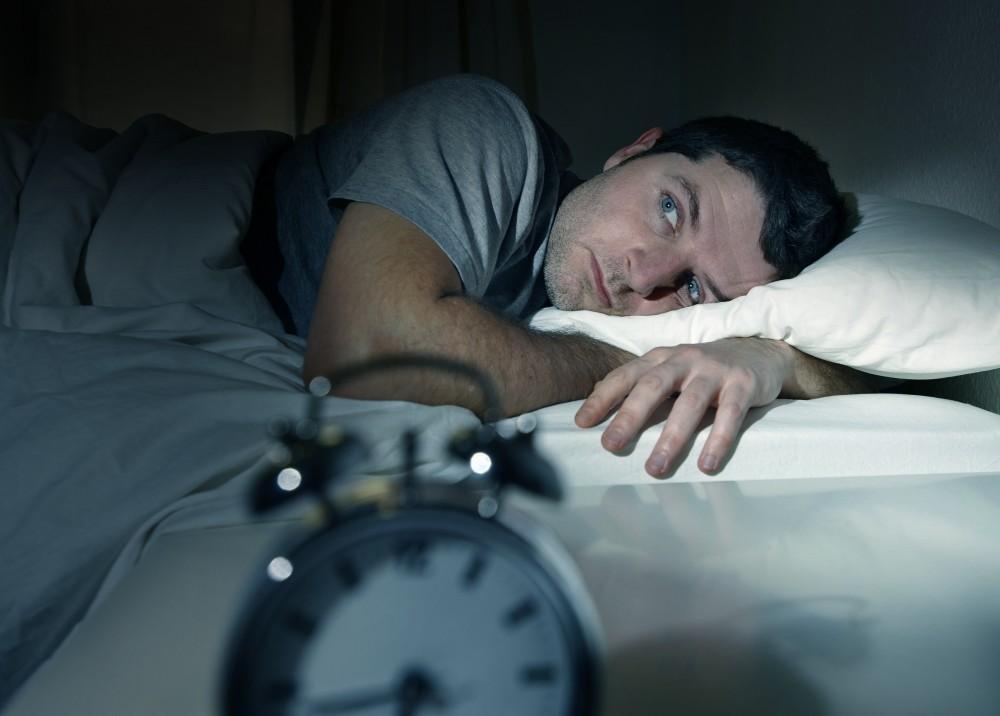
Insomnia keeps millions tossing and turning every night. In 2026, with AI tools spotting health risks from one night of sleep data, this common sleep issue still hits hard. Yet real help exists. You can fight back with proven steps and fresh tech. Let’s break it down simply.
What Exactly Is Insomnia?
Insomnia is a sleep disorder. You struggle to fall asleep, stay asleep, or both. Doctors diagnose it when poor sleep causes daytime problems. Acute insomnia lasts days or weeks. Chronic insomnia sticks around three months or longer.
Most adults need 7 to 9 hours of sleep. When insomnia strikes, you wake up tired anyway. Short-term cases often tie to stress. Long-term ones link to habits or health issues.
Spot the Signs Early
Nighttime symptoms hit first. You:
- Lie awake for 30 minutes or more before sleep starts
- Wake up often during the night
- Get up too early and cannot drift off again
- Feel your mind races the moment your head hits the pillow
Daytime effects drag you down. You:
- Feel tired or sleepy all day
- Get cranky, anxious, or depressed
- Struggle to focus or remember things
- Make more mistakes or have accidents
- Worry constantly about your sleep
If three or more nights a week feel like this, insomnia may be the culprit.
Why Does Insomnia Happen?
No single cause exists. Stress tops the list. Work worries, family issues, or big life changes keep your brain buzzing at bedtime.
Travel or shift work messes with your internal clock. Poor habits make it worse. You stay up late scrolling phones. You nap too long. You eat heavy meals right before bed.
Other triggers include:
- Mental health conditions like anxiety or depression
- Medicines (some antidepressants, cold pills with caffeine)
- Medical problems (pain, asthma, heart disease, sleep apnea, restless legs syndrome)
- Caffeine, nicotine, or alcohol (alcohol may help you nod off but ruins deep sleep)
Women face higher risk due to hormones. Age over 60 raises odds too. Family history plays a role.
How Common Is Insomnia in 2026?
More than 850 million adults worldwide deal with insomnia. That’s 16.2% of the global adult population. Nearly half of those cases are severe (7.9%). Women report it more than men in every age group.
In the US, the picture looks similar. The National Sleep Foundation’s 2025 Sleep in America Poll found:
- 60% of adults skip the recommended 7-9 hours
- Nearly 4 in 10 have trouble falling asleep 3+ nights a week
- Almost half struggle to stay asleep 3+ nights a week
- 37% feel unhappy with their sleep
- 50% earned an “F” on sleep satisfaction
University students face even tougher odds—nearly 47% report insomnia symptoms globally.
The Real Cost of Sleepless Nights
Insomnia drains more than energy. It lowers work performance. It slows reaction times (hello, higher crash risk). It raises chances of depression, anxiety, heart disease, and diabetes.
Logic says it makes sense: Your brain needs rest to repair. Skip that and everything suffers. Humour break: Ever tried adulting on four hours of sleep? You become a walking coffee zombie who forgets their own name.
Good news? Better sleep links to flourishing. People who sleep well are 45% more likely to feel happy, productive, and socially connected.
2026: New Tools and Treatments That Actually Work
Cognitive behavioral therapy for insomnia (CBT-I) remains the gold standard. It teaches you to change thoughts and habits that fuel poor sleep. Doctors recommend it first because it lasts longer than pills and has no side effects.
Digital CBT-I apps make it easier. Some now earn FDA clearance.
Fresh 2026 tech adds excitement:
- WillSleep neurostimulation device uses gentle neck stimulation. A study showed 82% better sleep quality and 80% fewer insomnia symptoms after five weeks.
- Sleepal AI Lamp tracks sleep without contact and guides relaxation breathing.
- Smart mattresses and AI beds adjust temperature, sound, and posture automatically.
- Stanford’s SleepFM AI model predicts over 100 health risks from one night of sleep data—helping doctors spot linked issues early.
Pills can help short-term but doctors avoid long-term use.
Your Step-by-Step Plan to Sleep Better Tonight
Start with these sleep hygiene basics. Most people see improvement in 1-2 weeks.
- Stick to a schedule—same bedtime and wake time every day (yes, weekends too).
- Create a wind-down routine: read a book, take a warm bath, listen to calm music. No screens 1 hour before bed.
- Keep your bedroom cool, dark, and quiet. Use it only for sleep and intimacy.
- Exercise daily but not within 3 hours of bedtime.
- Cut caffeine after noon. Skip alcohol and heavy meals at night.
- If you cannot sleep after 20 minutes, get up. Do something boring until sleepy.
CBT-I techniques in brief:
- Keep a sleep diary for two weeks
- Limit time in bed to actual sleep time (sleep restriction)
- Challenge worries like “I’ll never sleep again”
Numbered checklist for quick wins:
- Set phone to night mode or leave it outside the room
- Try 4-7-8 breathing: inhale 4 seconds, hold 7, exhale 8
- Journal worries 30 minutes before bed to clear your head
- Expose yourself to bright light first thing in the morning
Track progress. Apps or simple notebooks work great.
When to See a Doctor
Talk to a professional if insomnia lasts over a month or affects daily life badly. Seek help sooner if you suspect sleep apnea (loud snoring, gasping) or restless legs.
Doctor visit checklist:
- Bring your sleep diary
- List all medicines and supplements
- Note any pain, mood changes, or other symptoms
- Ask about CBT-I or sleep studies
Specialists can rule out hidden causes and tailor treatment.
Wrapping Up: Better Sleep Awaits in 2026
Insomnia feels endless when you’re in it. Yet science gives you real tools—CBT-I, smart habits, and 2026 tech breakthroughs. Start small tonight. Consistent steps beat perfection every time.
You deserve restful nights and energized days. Take that first step. Your future self (the one who remembers names and crushes goals) will thank you.
References
- Mayo Clinic. Insomnia – Symptoms and causes. https://www.mayoclinic.org/diseases-conditions/insomnia/symptoms-causes/syc-20355167 (Updated Jan 2024)
- Sleep Foundation. Insomnia: Symptoms, Causes, and Treatments. https://www.sleepfoundation.org/insomnia (Updated Jul 2025)
- National Sleep Foundation. 2025 Sleep in America Poll. https://www.thensf.org/wp-content/uploads/2025/03/NSF_SIA_2025-Report_final.pdf
- PubMed. Estimation of the global prevalence and burden of insomnia (2025). https://pubmed.ncbi.nlm.nih.gov/40627924/
- Tom’s Guide. Best sleep tech from CES 2026. https://www.tomsguide.com/wellness/sleep-tech/ces-2026-sleep-tech-and-news