
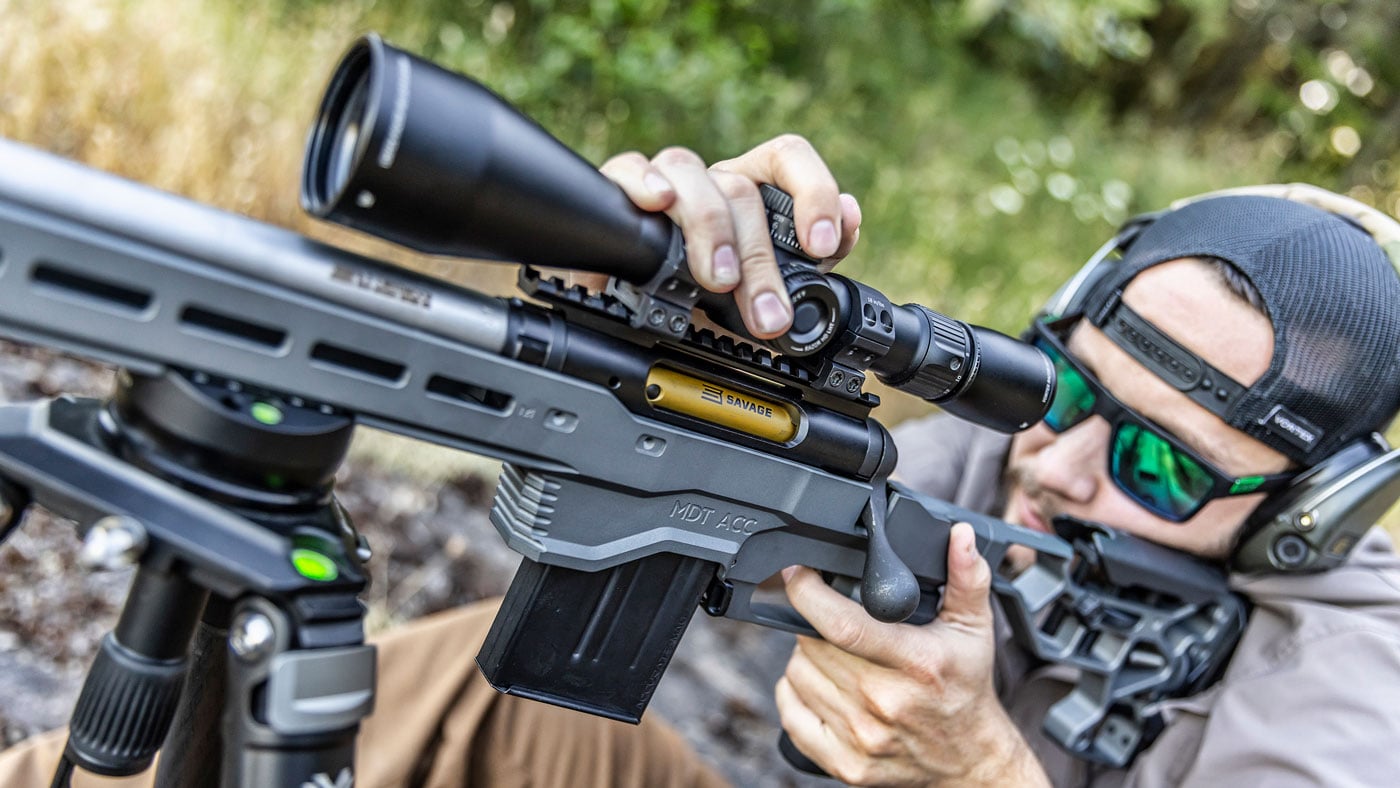
Lefty Gunplay: Everything You Need to Know About Shooting Left-Handed
If you’re left-handed and you shoot, you already know the struggle. Most guns are made for right-handed people. The controls, the ejection port, the thumb safeties — almost everything is built with righties in mind. That’s where lefty gunplay comes in.
This guide covers everything about shooting left-handed — from technique and gear to training tips. Whether you’re a beginner or a seasoned shooter, this is for you.
Key Takeaways
- Lefty gunplay refers to the art and practice of shooting firearms with the left hand as the dominant hand.
- Most firearms are designed for right-handed users, creating unique challenges for left-handed shooters.
- Proper stance, grip, and technique can overcome most right-handed design limitations.
- Left-handed specific firearms and accessories exist and can improve comfort and safety.
- Training regularly and smartly helps lefties become just as accurate and fast as right-handed shooters.
What Is Lefty Gunplay?
Lefty gunplay is simply the practice of shooting with your left hand as the dominant or primary shooting hand. About 10% of the world’s population is left-handed, and a good number of them shoot. But the firearms industry hasn’t always kept up with their needs.
When people talk about lefty gunplay, they’re talking about everything that goes into being a left-handed shooter. That includes how you hold the gun, how you aim, how you handle the controls, and what gear works best for you. It’s not just a novelty — it’s a real discipline that requires specific knowledge and training.
Left-handed shooting actually has its own community. Forums, YouTube channels, and even dedicated training courses focus on lefty gunplay. And with more gun manufacturers making ambidextrous models, the options for lefties have never been better.
The bottom line: lefty gunplay is a legitimate shooting style that deserves serious attention.
Why Left-Handed Shooting Is Unique
The Design Problem Most People Ignore
The vast majority of pistols, rifles, and shotguns are designed with right-handed users in mind. The magazine release, bolt handle, safety, and ejection port — all typically placed for right-handed access or operation.
For a lefty shooter, this creates real problems. Hot brass from a semi-auto pistol can fly right into your face. Reaching for the magazine release means an awkward stretch with your trigger finger or a full hand shift. Running a bolt-action rifle feels backwards.
This isn’t just inconvenient. In some situations, it can slow you down or even be unsafe. Understanding these design quirks is the first step in mastering lefty gunplay.
Muscle Memory and Dominance
Eye dominance matters as much as hand dominance in shooting. Most left-handed people are also left-eye dominant, which actually works in their favor. When both the dominant eye and dominant hand are on the same side, aiming becomes more natural.
However, some shooters are cross-dominant — meaning they might be left-handed but right-eye dominant. This complicates things. Cross-dominant shooters need to adapt their technique, either by training the non-dominant eye or adjusting their head position.
The Basic Stance for Lefty Gunplay
Isosceles vs. Weaver Stance
Both the Isosceles and Weaver stances work for left-handed shooters — you just mirror everything.
Isosceles Stance:
- Both feet shoulder-width apart
- Body squared toward the target
- Both arms extended forward forming a triangle
- Works well for new lefty shooters because it’s symmetrical
Weaver Stance:
- Left foot forward (for lefties)
- Body slightly bladed to the target
- Push-pull tension between both hands on the grip
- Offers more stability for some shooters
Most modern self-defense instructors recommend the Isosceles stance for beginners. It’s simple, repeatable, and easy to learn.
Body Position and Weight Distribution
Your weight should lean slightly forward. Don’t lean back — that’s a common mistake. Keep your knees slightly bent. Your left shoulder should be slightly forward and your left arm should be the primary control arm.
Think of it like a boxer’s stance — athletic, balanced, and ready to move.
Grip Technique in Lefty Gunplay
The Thumbs-Forward Grip
The thumbs-forward grip is widely considered the best grip for modern semi-automatic pistols. For lefty gunplay, here’s how it works:
- Left hand wraps high on the backstrap
- Right hand fills in the gap on the left side
- Left thumb points forward, parallel to the slide
- Right thumb stacks below the left thumb
- Both thumbs point toward the target
This grip maximizes recoil control and gives you fast follow-up shots. It also keeps your support hand away from the slide, which matters for semi-autos.
Common Grip Mistakes Lefties Make
Many left-handed shooters develop bad habits because they’re trying to compensate for right-handed equipment. Here are the most common issues:
- Thumbs crossing over the slide — causes slide bite on semi-autos
- Grip too low on the backstrap — reduces control and increases muzzle flip
- Inconsistent pressure — should be firm but not white-knuckle tight
- Wrist breaking — keep wrists locked during the shot
- Over-gripping with support hand — let the strong hand do the work
If you notice any of these habits, fix them early. Bad grip mechanics are hard to unlearn later.
Firearm Controls and Lefty Gunplay
Magazine Release
On most standard pistols, the magazine release button sits on the left side of the frame, right where a right-hander’s thumb naturally rests. For a lefty, reaching that button without shifting your grip is awkward.
Your options:
- Use your index finger to press the release — works on many pistols
- Buy an ambidextrous model that has a release on both sides
- Swap the release on compatible firearms — many modern pistols allow this
Brands like Walther, FN, and Beretta make pistols with reversible or ambidextrous magazine releases. If you’re serious about lefty gunplay, look for these features when buying.
Safety Switches
Thumb safeties on pistols and rifles are almost always on the left side of the frame — perfect for a right-hander’s thumb, but awkward for a lefty. You’ll be reaching around with your trigger finger or shifting your whole grip.
Solutions:
- Ambi safeties — available for many 1911s, AR-15s, and other popular platforms
- No-safety models — Glock, for example, uses a trigger safety only
- Training — learn to use the safety with your trigger finger or index finger
Slide Stop and Bolt Release
The slide stop on most pistols sits on the left side of the frame. A right-hander can release it with their thumb. A lefty often needs to use the right (support) hand thumb or use the slingshot method — grabbing the slide and pulling it back to chamber a round.
For rifles, the charging handle on AR-15s is in the center, which actually works fine for lefties. On AK-style rifles, the charging handle is on the right side — easier for lefties to use naturally.
Best Firearms for Lefty Gunplay
Pistols
| Firearm | Feature | Why It Helps Lefties |
|---|---|---|
| Walther PDP | Fully ambidextrous controls | Mag release works both sides |
| FN 509 | Reversible mag release | Easy to swap |
| CZ Shadow 2 | Ambi safety option | Versatile for lefties |
| Glock 17/19 | No manual safety | Fewer ambi issues |
| Springfield XD-M | Reversible mag release | Good ergonomics |
Rifles
For lefty gunplay with rifles, the AR-15 platform is generally lefty-friendly because:
- Charging handle is in the center
- Ambi bolt releases are widely available
- Ambi safeties are easy to install
- Ejection port deflectors prevent brass in the face
Bolt-action rifles are trickier. Left-handed specific models from Savage, Remington, and Ruger are available and worth the investment if you shoot bolt guns regularly.
Shotguns
Semi-auto shotguns can eject brass toward your face if you’re left-handed. Over/under and pump-action shotguns are generally more lefty-friendly. Brands like Browning and Beretta make left-hand specific models.
Training Tips for Left-Handed Shooters
Dry Fire Practice
Dry fire — practicing without live ammo — is one of the best tools for any shooter, especially lefties. It lets you work on:
- Trigger control without flinching
- Grip consistency
- Accessing controls without looking at them
- Drawing from a holster
Always double-check your firearm is unloaded before dry fire practice. Safety first, always.
You can spend 15 minutes a day on dry fire and see real improvement within weeks. It’s free, can be done at home, and builds muscle memory fast.
Live Fire Drills
When you go to the range, don’t just plink at targets randomly. Structured drills build real skill. Some good ones for lefty gunplay:
- El Presidente — draw, engage multiple targets, reload, re-engage
- Bill Drill — 6 rounds on one target as fast as possible, with accuracy
- Failure Drill — two to the body, one to the head
- Speed Reloads — drop mag, insert new one, back on target
Track your times and accuracy. Progress is motivating and helps you identify weak points.
Finding a Lefty-Friendly Instructor
Not all firearms instructors know how to teach left-handed students. A good instructor should:
- Understand the mirrored mechanics of lefty gunplay
- Not try to force you to shoot right-handed
- Know which gear recommendations apply to lefties
- Be patient with the unique learning curve
Ask before you sign up for a class. Some instructors even specialize in lefty gunplay and cross-dominant shooting. Check out resources like Geek Bot for community discussions and reviews on training programs.
Holsters and Gear for Lefty Gunplay
Left-Handed Holsters
This is one of the most frustrating parts of lefty gunplay — holster selection. Most holsters are made for right-handed carry. You need to specifically buy or order left-handed holsters.
Types of holsters for lefties:
- OWB (Outside Waistband) — easiest to find in left-hand versions
- IWB (Inside Waistband) — many brands now offer lefty versions
- Shoulder holsters — often ambidextrous by design
- Appendix carry — works differently for lefties, requires training
Brands like Safariland, Alien Gear, and Vedder make quality left-handed holsters. Always verify left-hand compatibility before ordering.
Accessories to Consider
| Accessory | Benefit for Lefties |
|---|---|
| Ambi mag release | Faster reloads |
| Extended slide stop | Easier to reach |
| Grip tape/stippling | Improves grip consistency |
| Ambi safety | Safer and faster |
| Brass deflector | Prevents shell to face |
Cross-Dominant Shooting and Lefty Gunplay
What Is Cross-Dominance?
Cross-dominance means your dominant eye and dominant hand are on opposite sides. For example, you’re left-handed but your right eye is stronger. This is more common than you’d think — maybe 30-40% of left-handed people deal with some level of cross-dominance.
How to Handle It
There are a few approaches:
- Tilt your head slightly so your dominant eye aligns with the sights — works for many shooters
- Train your non-dominant eye — close one eye or use an eye patch during early training
- Switch to a red dot sight — aiming with both eyes open reduces the eye dominance issue
- Adjust your stance — some cross-dominant shooters use a modified Weaver that angles the dominant eye behind the sights
There’s no single right answer. Try each method and see what feels natural and gives you the best accuracy.
Mental Game in Lefty Gunplay
Building Confidence as a Minority Shooter
Let’s be honest — walking into a range as a lefty can feel awkward. Instructors might not know what to do with you. Right-handed shooters might offer unsolicited “corrections.” Range equipment might not be set up for you.
Don’t let this shake your confidence. Lefty gunplay is a skill, and like any skill, it responds to focused practice. Some of the best competitive shooters in the world are left-handed.
Stay focused on your own development. Ignore anyone who tells you to switch to right-handed — there’s no reason to do that unless you have a specific injury or need.
Competition Shooting for Lefties
Lefties can and do compete in USPSA, IDPA, 3-Gun, and other shooting sports. Most competition rulesets don’t discriminate by hand dominance. Some lefties even find an advantage in certain stage designs that favor left-side shooting positions.
If you’re interested in competition, Geek Bot has solid articles on getting into competitive shooting as a beginner.
Safety Considerations in Lefty Gunplay
Safety is the same for everyone, but there are a couple of specific things lefties should watch:
- Brass ejection — semi-autos eject to the right, which can mean brass flying toward your face or down your collar. Use a brass deflector or choose firearms with forward ejection.
- Control familiarity — because lefties often use controls in non-standard ways, regular practice is critical to avoid fumbling under stress
- Holster draw — left-hand draw crosses more of your body. Practice slowly at first and be deliberate.
The four rules of gun safety apply to everyone equally:
- Treat every gun as if it’s loaded
- Never point it at anything you’re not willing to destroy
- Keep your finger off the trigger until ready to shoot
- Know your target and what’s beyond it
H3: Common Questions New Lefty Shooters Ask
Should I just learn to shoot right-handed?
No. Unless you have a specific reason — like a left-hand injury — there’s no benefit to shooting with your non-dominant hand. Your coordination, muscle memory, and reaction time will always be better on your dominant side.
Are there left-handed revolvers?
Revolvers are actually one of the more lefty-friendly options. The cylinder on a standard revolver opens to the left, which can be convenient for lefties to load. The controls are minimal, and there’s no ejecting brass to worry about.
Is lefty gunplay harder to learn?
It’s not harder. It’s just different. You’ll have a slightly steeper curve with gear selection and finding the right controls. But the actual mechanics of shooting — sight alignment, trigger control, breath control — are identical.
FAQ: Lefty Gunplay
Q: What is the best pistol for lefty gunplay? A: The Walther PDP and Glock 19 are among the most popular choices. The Walther has fully ambidextrous controls, while the Glock’s simple design has fewer left-hand complications.
Q: Can I use a standard right-handed holster? A: No. You need a left-handed holster specifically designed for left-hand draw. Using a right-hand holster can be dangerous.
Q: How do I deal with hot brass hitting me in the face? A: Use a brass deflector on your firearm, choose a model with forward ejection, or look for semi-autos with adjustable ejection. Proper technique also helps — a correct grip keeps your head in a position where brass is less likely to land on you.
Q: Are AR-15s good for lefty gunplay? A: Yes, they’re one of the best rifle platforms for lefties. The charging handle is centered, and ambi accessories are widely available and affordable.
Q: Do left-handed shooters compete professionally? A: Absolutely. Many competitive shooters are left-handed and compete at the highest levels in USPSA, IDPA, and 3-Gun competitions.
Q: What’s the best way to train for lefty gunplay? A: Start with dry fire at home to build muscle memory, then move to structured live-fire drills at the range. Consider working with an instructor who has experience teaching left-handed shooters.
Conclusion
Lefty gunplay isn’t a disadvantage. It’s a different path through the same skillset. The challenges are real — gear selection, ergonomics, and a world of right-handed equipment — but they’re all solvable. With the right firearm, the right training, and a bit of patience, left-handed shooters can perform at the same level as any right-hander.
Start by picking a firearm with ambidextrous or left-hand friendly controls. Learn proper grip and stance. Practice dry fire regularly. Find an instructor who respects your dominant hand. And connect with the lefty shooting community — they’ve already figured out most of the problems you’ll face.
Left-handed shooting has a solid community behind it, and resources keep growing. Stay patient, stay consistent, and enjoy the process.